- Our Compostable Packaging Range
Terra Compostable

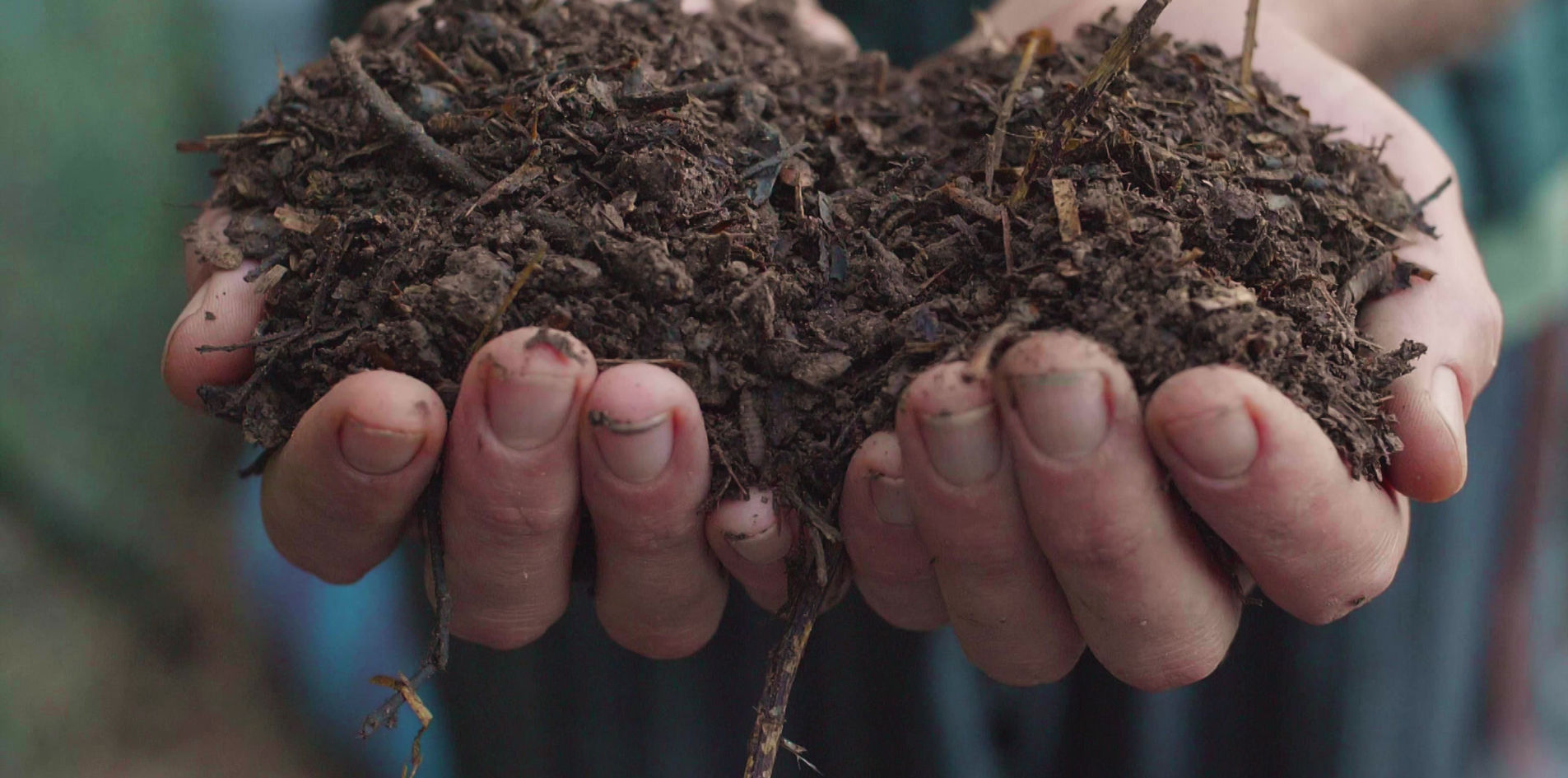
Terra Means Earth
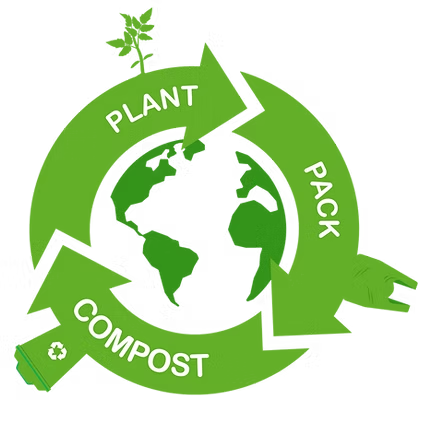
Built for Businesses
Circular Solutions
Harnessing the power of organic recycling to reduce plastic pollution.
Simple Integration
We guide you through simple, practical integration, so your brand can maintain operational efficiency.
Exceed Expectations
Meet sustainability goals and exceed customers' expectations—without compromise.
Frequently Asked Questions
What is composting?
What are the benefits of composting?
Composting is a powerful circular economy solution that allows businesses to reduce their environmental footprint. By diverting organic waste from landfills to Organic Recycling and transforming it into nutrient-rich compost, composting helps in the following ways:
Fighting Climate Change: Composting sequesters carbon into the soil and prevents methane emissions, which significantly contribute to climate change.
Sustainable Fertilization: The compost acts as a natural fertilizer, supporting local farmers to grow more food sustainably.
Soil Conditioning: Compost enhances soil moisture retention, aiding in drought resistance and healthier plant growth.
What's the difference between 'biodegradable' and 'compostable'?
The terms ‘biodegradable’ and ‘compostable’ have distinct meanings:
Biodegradable: This term simply means that something will break down over time with the help of microbes, which applies to most materials. However, it is often used ambiguously and subjected to greenwashing practices.
Compostable: On the other hand, ‘compostable’ implies that a material will break down within a specific time frame and under certain conditions, like those found in home compost bins or industrial composting facilities. Compostable products are certified to meet these requirements, ensuring they leave no micro-plastics or pollutants behind during decomposition.
What is the difference between "OK compost INDUSTRIAL" and "OK compost HOME"?
OK compost INDUSTRIAL (EN13432): Materials carrying this label compost only in industrial composting facilities, where higher temperatures (between 55 to 60°C) facilitate the breakdown process.
OK compost HOME: Products with this label compost at lower temperatures, making them suitable for composting in home garden compost heaps as well as industrial composting facilities.
Please note that there are various home and industrial composting certificates from different regions, and we recognize all valid certifications. In Australia, only the Australian certificate is accepted, and some of our C Range products hold this certification.
What are the materials used for Terra Range products?
During the composting process, compostable packaging undergoes a two-stage breakdown process:
In the first stage, the compost fragments the materials into particles smaller than 2mm within approximately 18 weeks in a home compost.
In the second stage, the fragments continue to break down until the bacteria and microorganisms in the compost consume them. This process takes up to a year in a home compost or six months in an industrial composter.
What happens to compostable packaging in the compost?
During the composting process, compostable packaging undergoes a two-stage breakdown process:
In the first stage, the compost fragments the materials into particles smaller than 2mm within approximately 18 weeks in a home compost.
In the second stage, the fragments continue to break down until the bacteria and microorganisms in the compost consume them. This process takes up to a year in a home compost or six months in an industrial composter.
What is left behind after composting compostable bioplastic packaging?
After composting, the compostable bioplastic packaging results in water, CO2, and biomass, which enrich the soil. The compost is nutrient-rich, environmentally safe, and free from micro-plastic or pollutants. Our materials undergo rigorous certification to ensure their safety and compliance with standards.
Can I compost Terra Range products in my home compost?
The Terra Range comprises various materials, with some being suitable for home composting and others for industrial composting. Please refer to the spec sheet for each product to determine its composting compatibility.
Can you dispose of Terra Range products with plastic recycling?
No, compostable bioplastics must be disposed of in composting waste streams. You can use a home compost or organic waste stream where permitted by the local council. If these options are unavailable, the product should be disposed of in the general waste bin.
What happens to compostable packaging in landfill?
In a landfill, compostable packaging behaves like an organic waste. If exposed to moisture and oxygen in the top layers, it will compost over time. However, if buried deep without oxygen and moisture, it will remain inert.
Does compostable packaging emit methane during decomposition?
Compostable materials do not emit greenhouse gases, such as methane, during their decomposition process in the landfill. They require aerobic conditions, which do not produce methane.
Does bioplastic contaminate mechanical recycling streams?
What are the storage conditions for compostable materials?
If you need any further assistance or have additional questions, feel free to reach out to our customer support team. Happy composting!
Our Terra Compostable Solutions
Terra Bags

Terra Shrink

Terra Stretch

Terra Flow-wrap

Terra Sticker

Terra Net