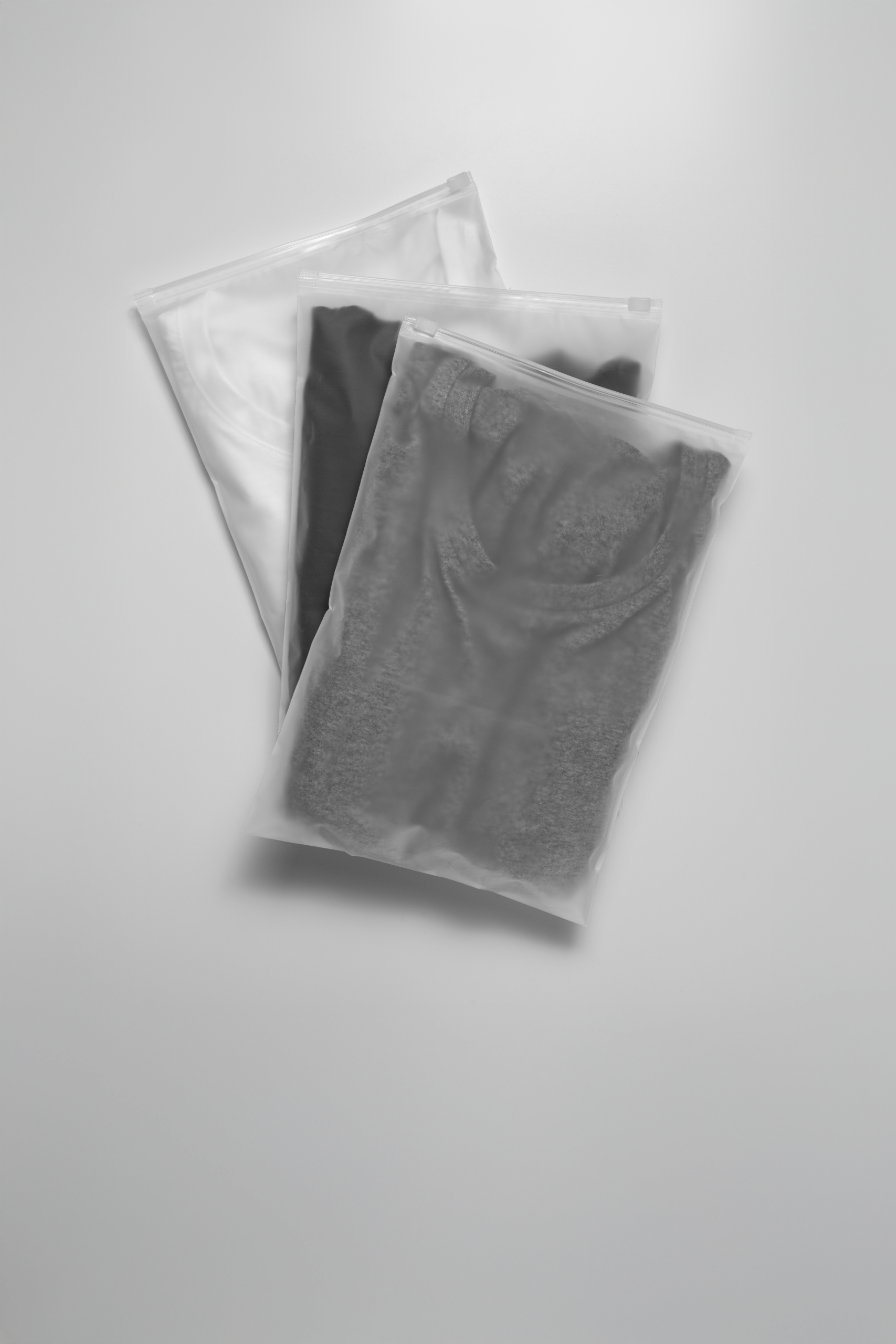
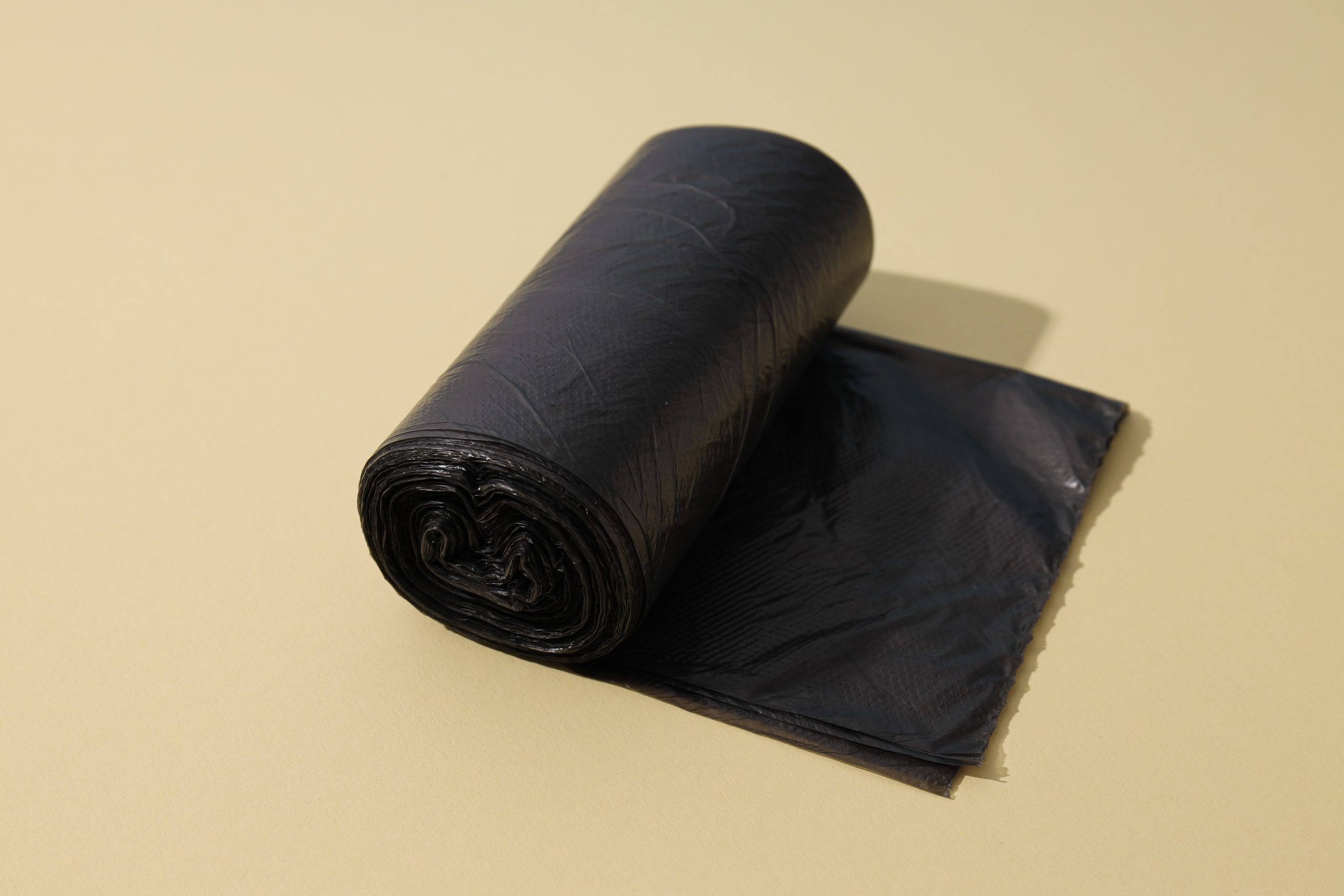
We offer compostable plastic packaging designed to keep fresh produce protected and presentable.

Packaging for Fresh Produce

Fresh produce packaging must protect quality, maintain efficiency, and meet rising expectations around plastic reduction. Retailers and brands are increasingly focused on eliminating unnecessary plastic while ensuring packaging remains functional, compliant, and scalable across high-volume supply chains.
Compostable flexible packaging offers a credible alternative for selected fresh produce applications, helping reduce conventional plastic without compromising operational performance. From produce bags and flow-wrap films to bundling and secondary packaging, solutions can be designed to integrate into existing packing lines and align with organic waste streams where appropriate.
Treetop Biopak works with growers, packers, and produce brands to identify where compostable packaging delivers genuine value. The focus is on practical, application-specific solutions that support retailer commitments, ESG reporting, and responsible transition—without introducing avoidable risk or complexity.
Fresh Produce Products

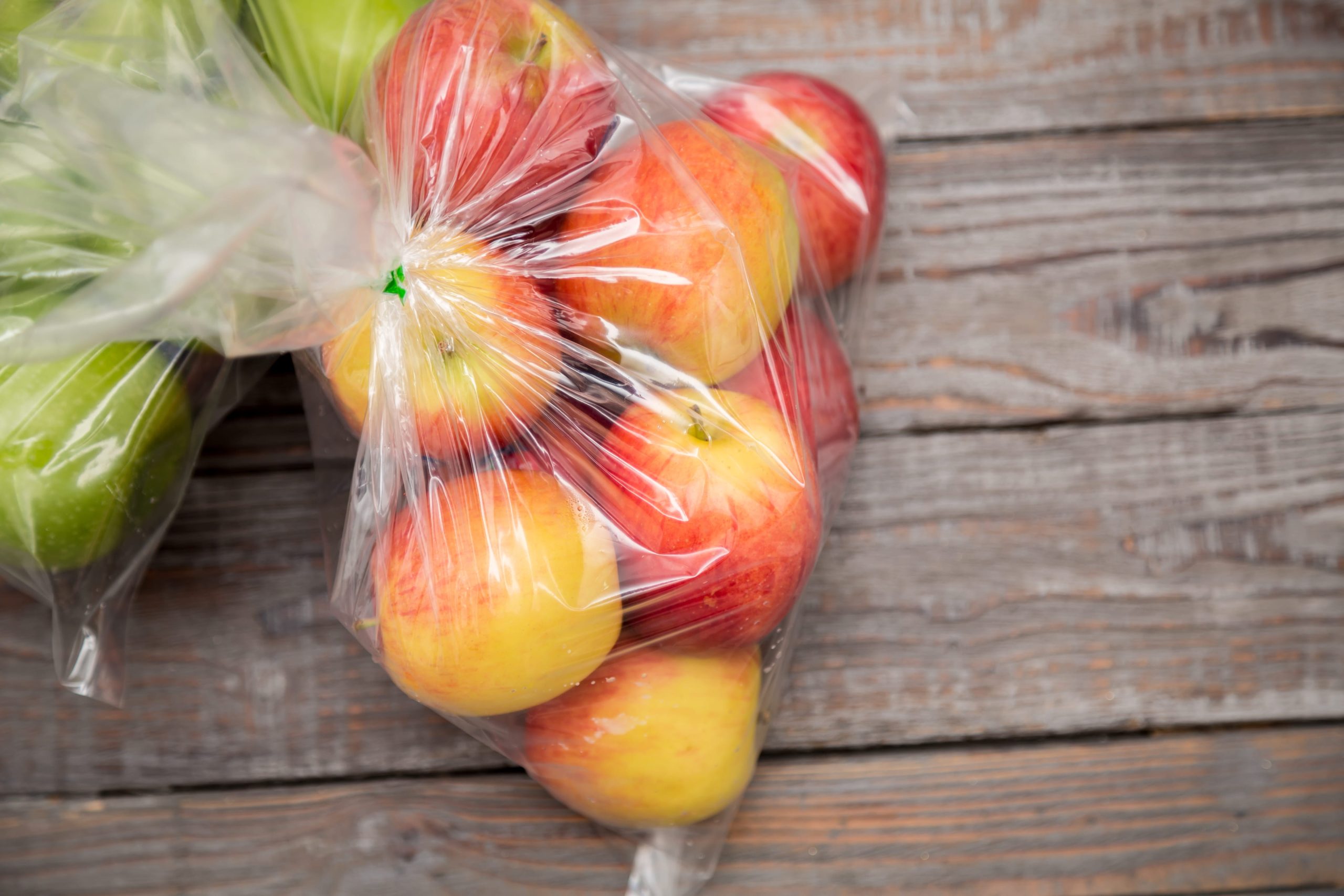
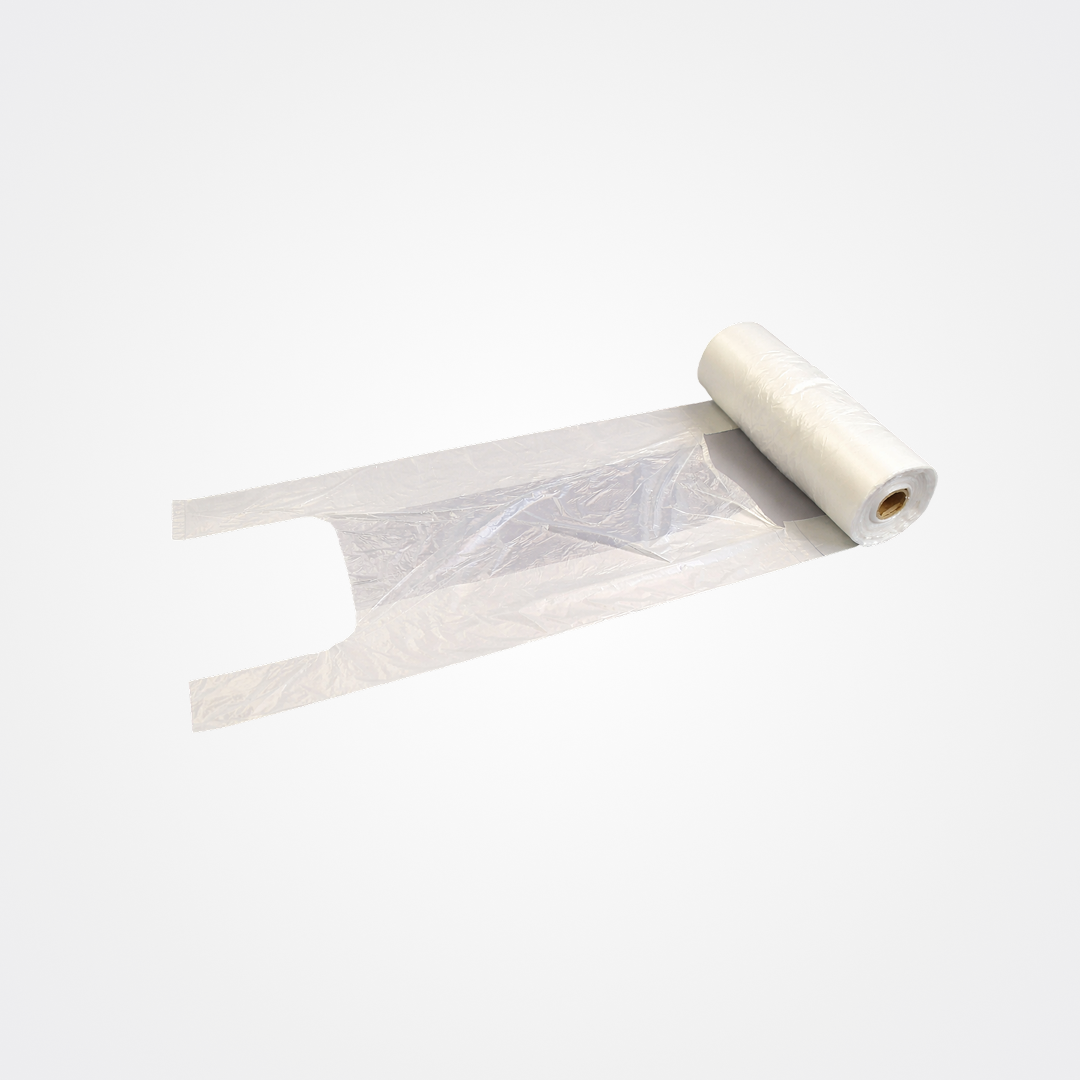
Bags on Roll

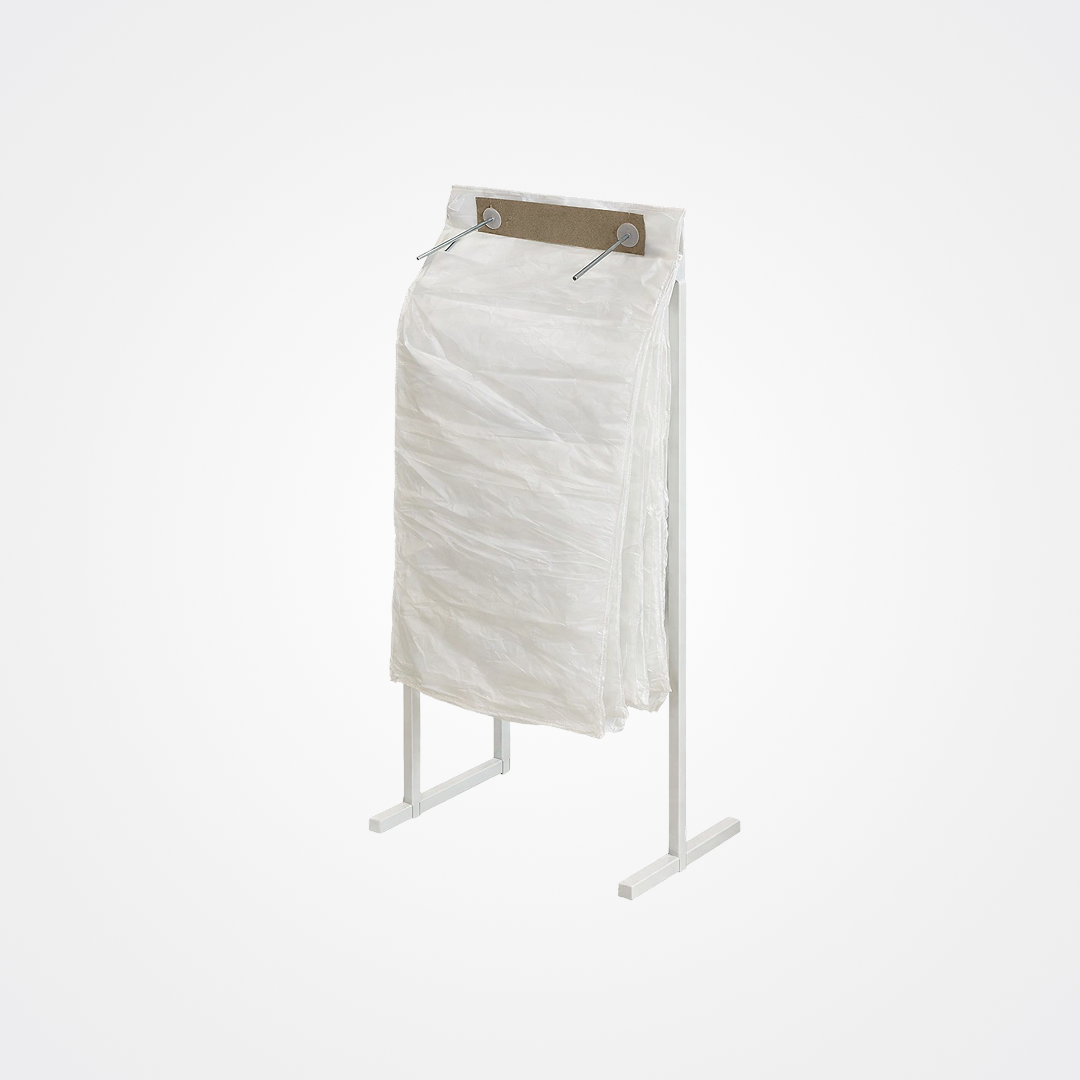
Wicket Bags

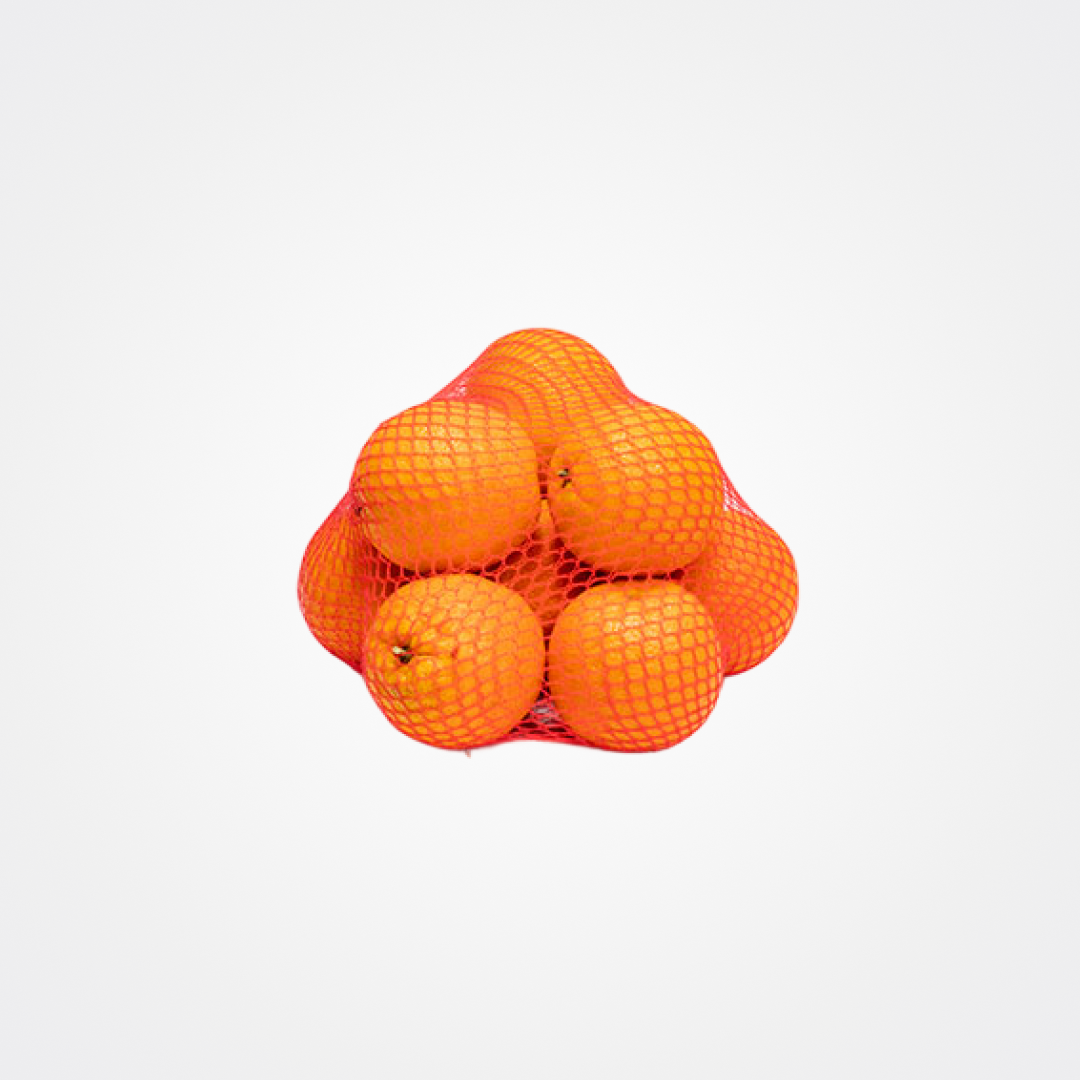
Cellulose Nets

Shrink Film

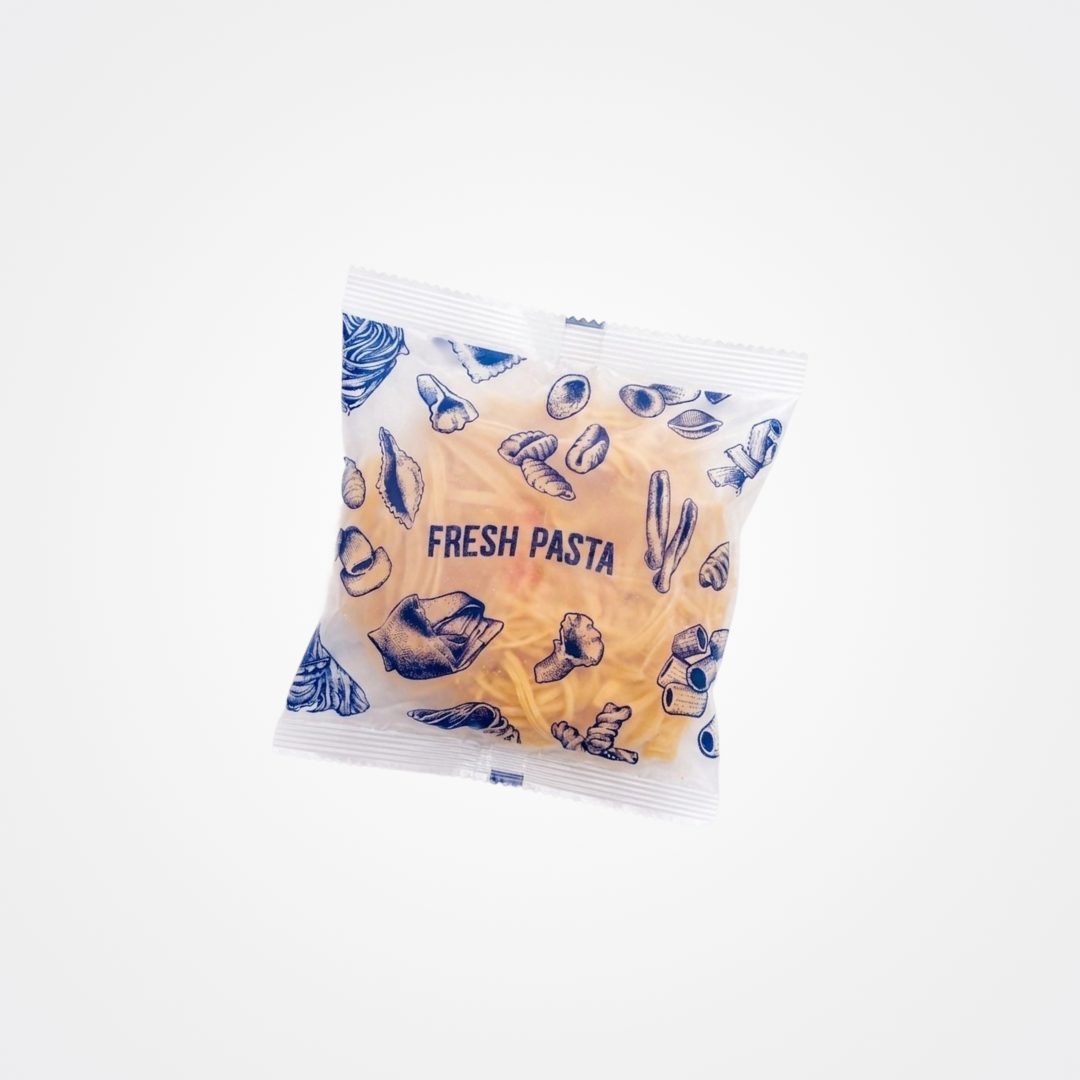
Flow Wrap

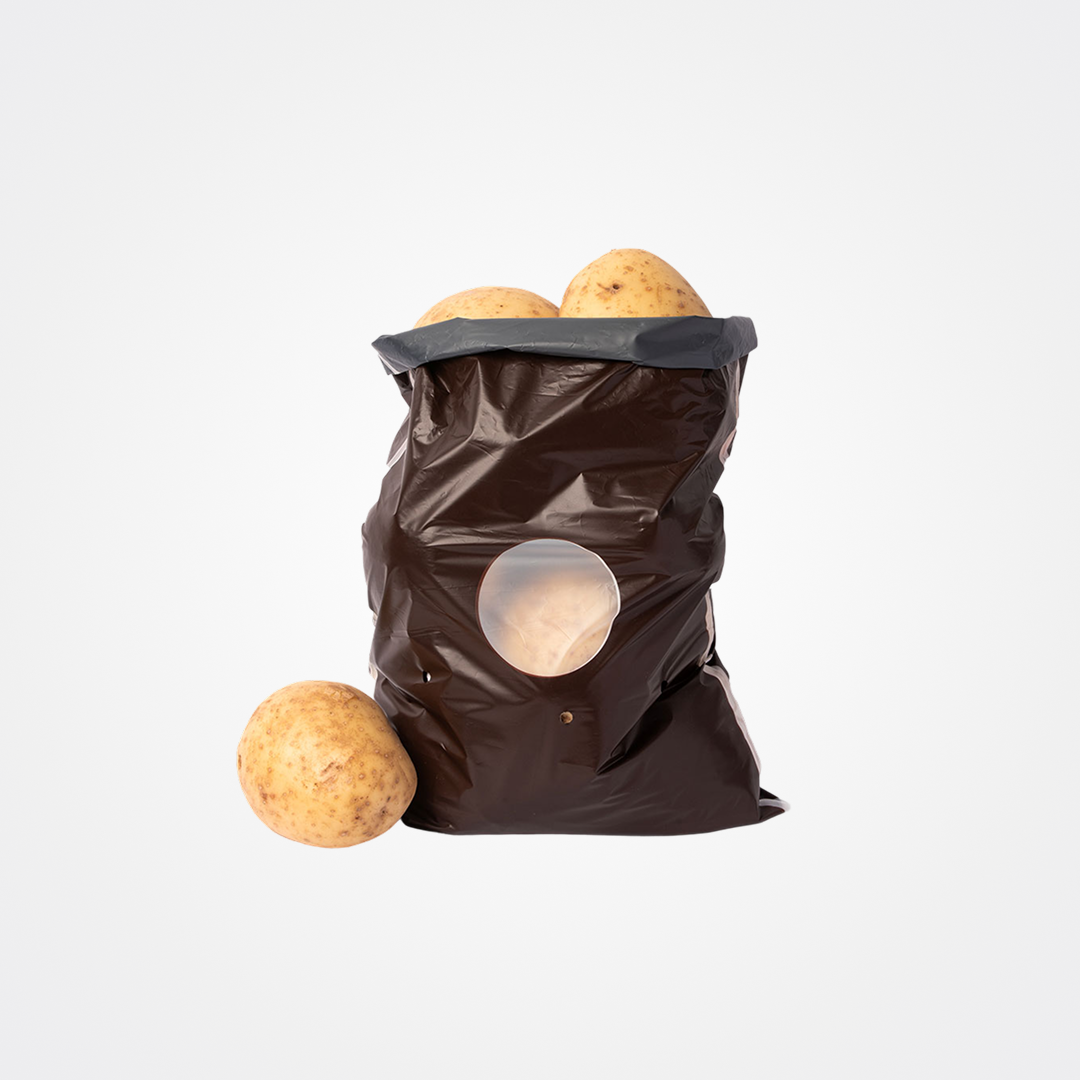
Potato Bag

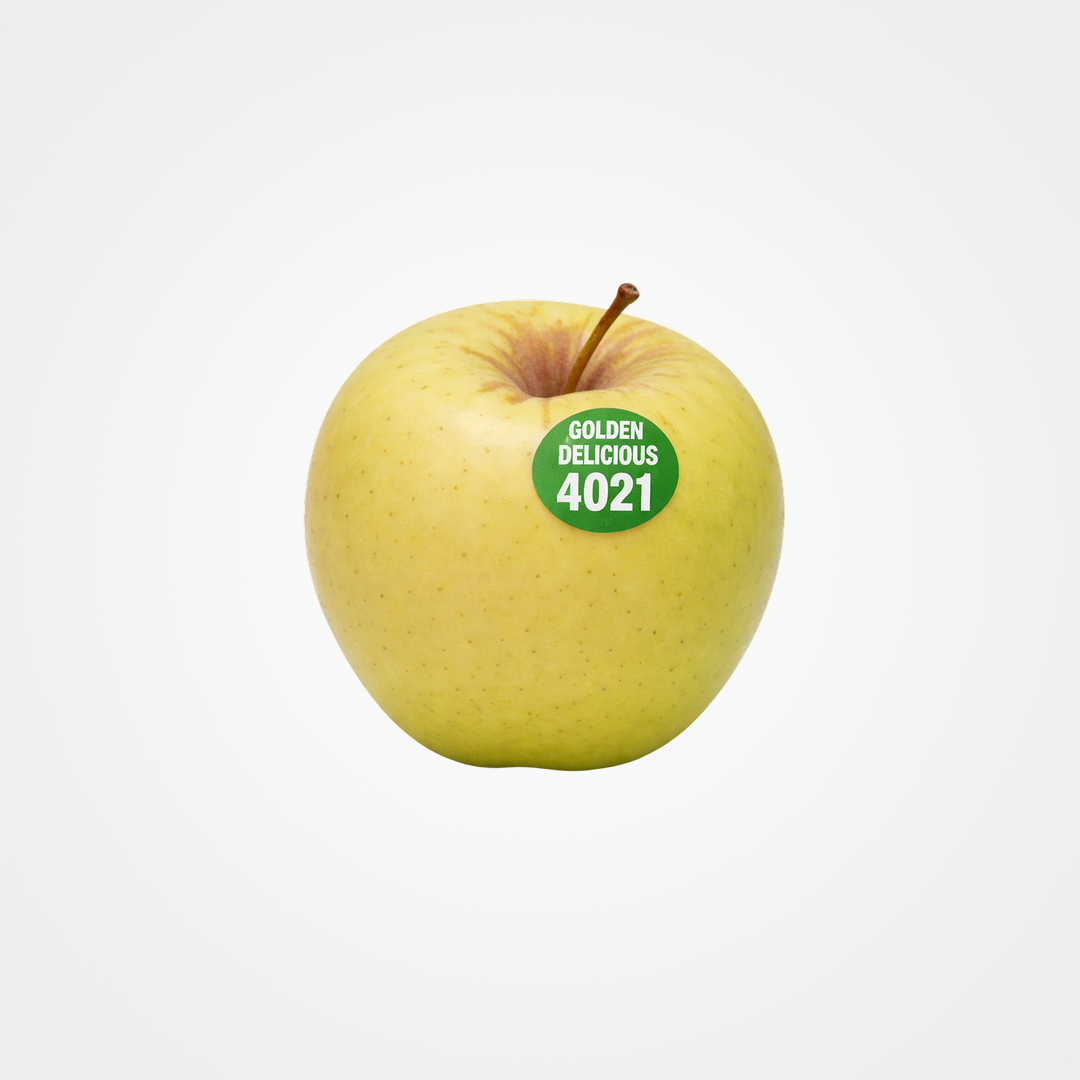
Stickers

Why Compostable Packaging Works for Fresh Produce Designed for short-life products

Fresh produce packaging is typically single-use with a short functional life. Compostable materials are well suited to these applications, aligning packaging lifespan with product lifespan.

Compatible with existing operations

Compostable films and bags can run on standard packing lines used for fruit and vegetables, minimising disruption to packhouses and co-packers.

Supports retailer and ESG requirements

Using certified compostable packaging helps demonstrate credible action on plastic reduction and responsible end-of-life management, supporting retailer audits and ESG reporting.

Industry-Specific FAQs

Does compostable packaging protect fresh produce as well as plastic?
When correctly specified, compostable films and bags provide the barrier properties needed for many fresh produce applications, including protection from handling damage and moisture control. Performance depends on the product type, shelf-life requirement, and storage conditions. Compostable packaging is most effective for short to medium shelf-life produce, which aligns well with most fruit and vegetable formats sold in the UK.
In most cases, yes. Many compostable films are designed to run on standard flow-wrap, bagging, and sealing equipment used in fresh produce packhouses. Minor setting adjustments may be required, but full machine replacement is rarely necessary. Trial runs are recommended to confirm sealing temperatures and line speeds before wider rollout.
Compostable packaging typically carries a higher unit cost than conventional plastic. However, many businesses assess value beyond unit price, considering plastic tax exposure, retailer requirements, ESG targets, and reputational risk. Pilot projects often help teams understand the overall commercial impact within their specific supply chain.
Certified compostable packaging is designed for industrial composting environments. Availability varies by region in the UK, and not all local authorities accept compostable packaging with food waste. Clear on-pack communication and alignment with customer waste streams are essential to ensure claims remain accurate and compliant.
Credibility depends on independent certification to recognised standards such as EN 13432. Certified products are tested for biodegradation, disintegration, and toxicity in controlled composting conditions. Using certified materials helps procurement and sustainability teams avoid greenwashing risks and supports transparent reporting.

Browse Other Industries

Sustainable packaging solutions tailored to your industry

Fresh Produce

Food & Beverage

Food Service & Delivery

Industrial & Logistics

Retail & E-Commerce

Health & Beauty

Apparel

Home & Electronics

Scroll to Top